

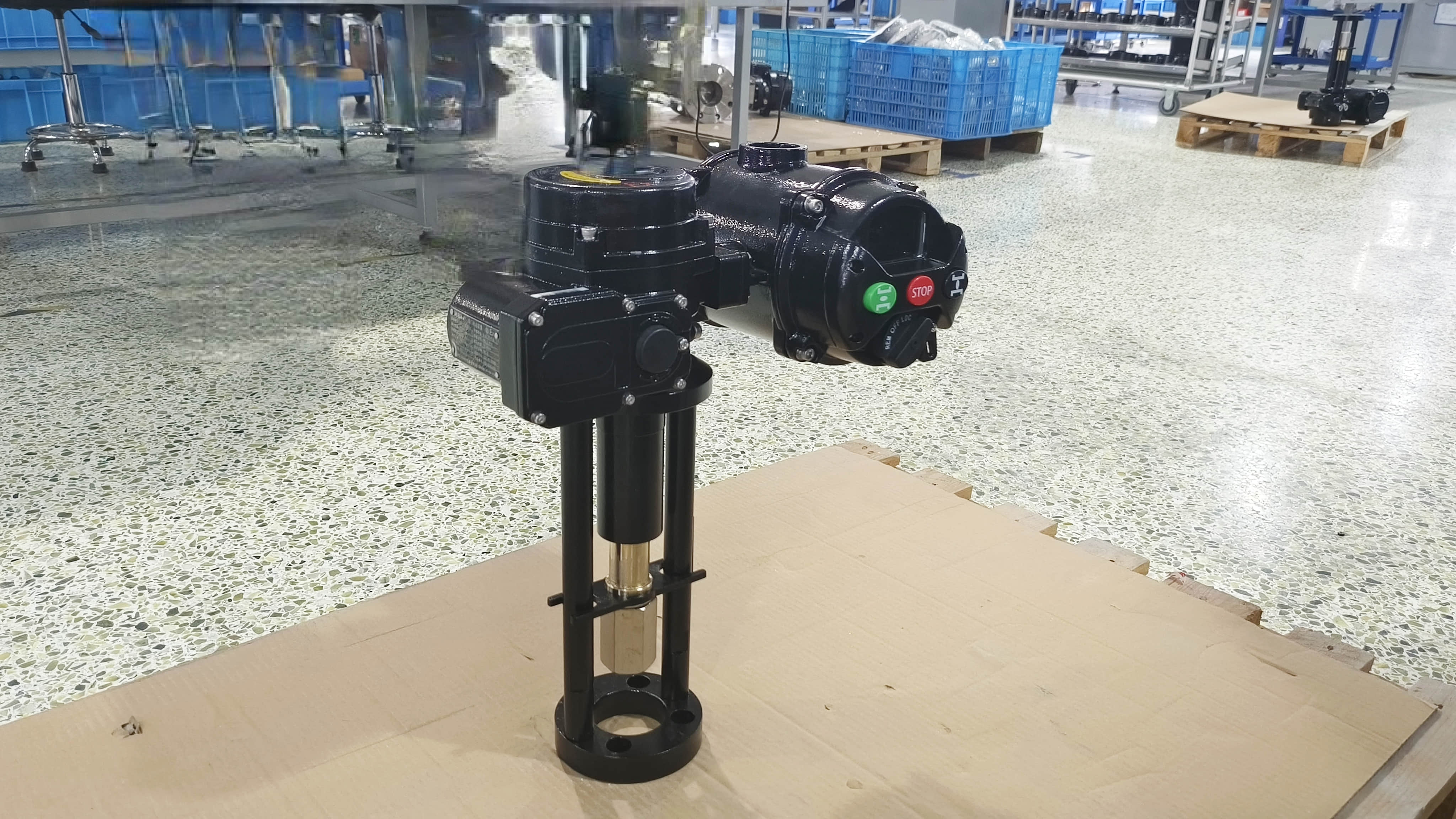
The applications of intelligent integrated electric actuators are diverse and continually expanding. In the industrial automation sector, they are essential for controlling valves, pumps, and fans, ensuring optimal performance in production lines and process systems. In the energy sector, IIEAs play a crucial role in smart grid applications, managing power distribution and load balancing. Similarly, in HVAC (Heating, Ventilation, and Air Conditioning) systems, IIEAs are utilized to regulate airflow and temperature, contributing to energy efficiency and enhanced occupant comfort.
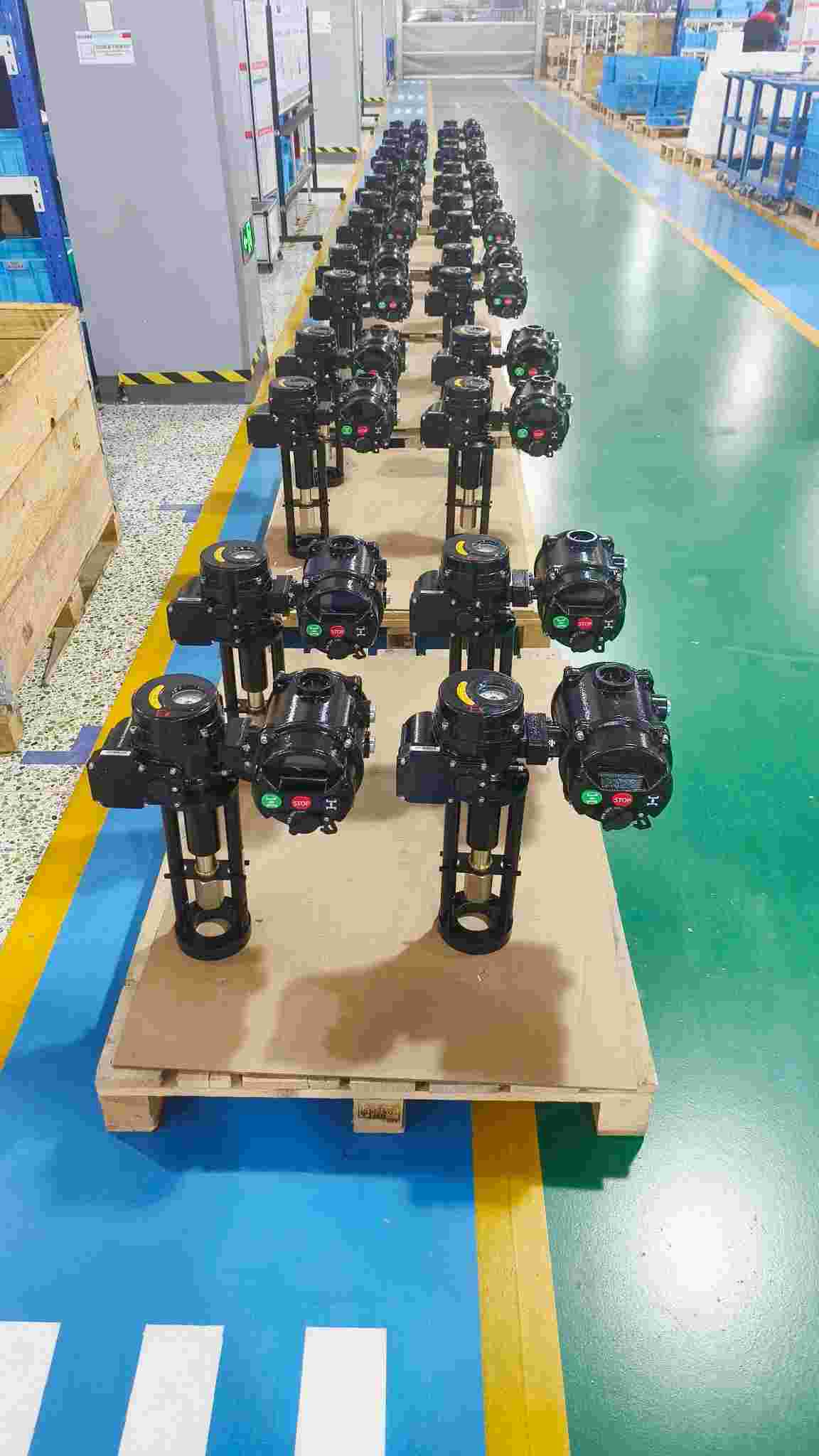
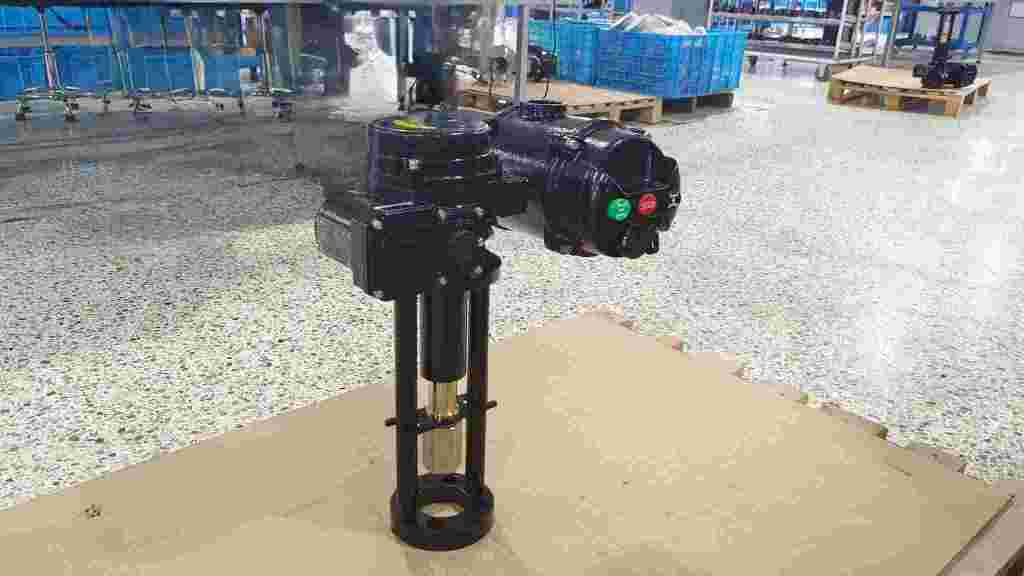
The versatility of IIEAs extends to robotics as well. In robotic arms and automated machinery, these actuators provide precise movement control, enabling complex tasks to be performed with accuracy. As businesses strive for increased production efficiency and reduced operational costs, the integration of intelligent actuators into robotic systems has become vital.
Looking ahead, the futur of intelligent integrated electric actuators appears promising. As industries continue to embrace digital transformation, the demand for automation solutions is projected to surge. This will inevitably drive further innovations in actuator technology, leading to enhanced features such as machine learning capabilities and improved connectivity for even greater interoperability with other smart devices. As environmental sustainability becomes a global priority, it is likely that advancements in smart actuators will also focus on energy efficiency and reducing carbon footprints, aligning with broader sustainability goals.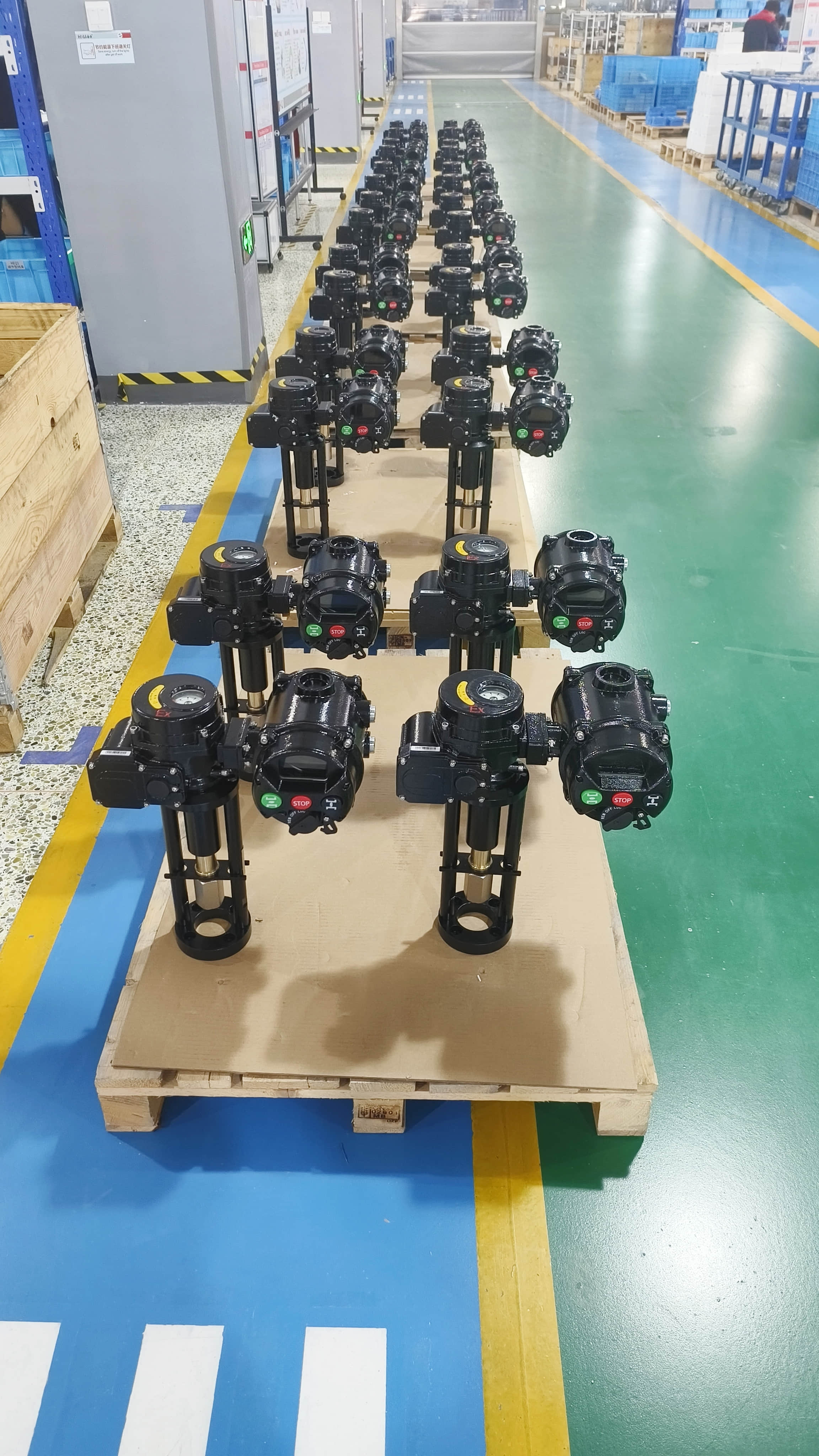
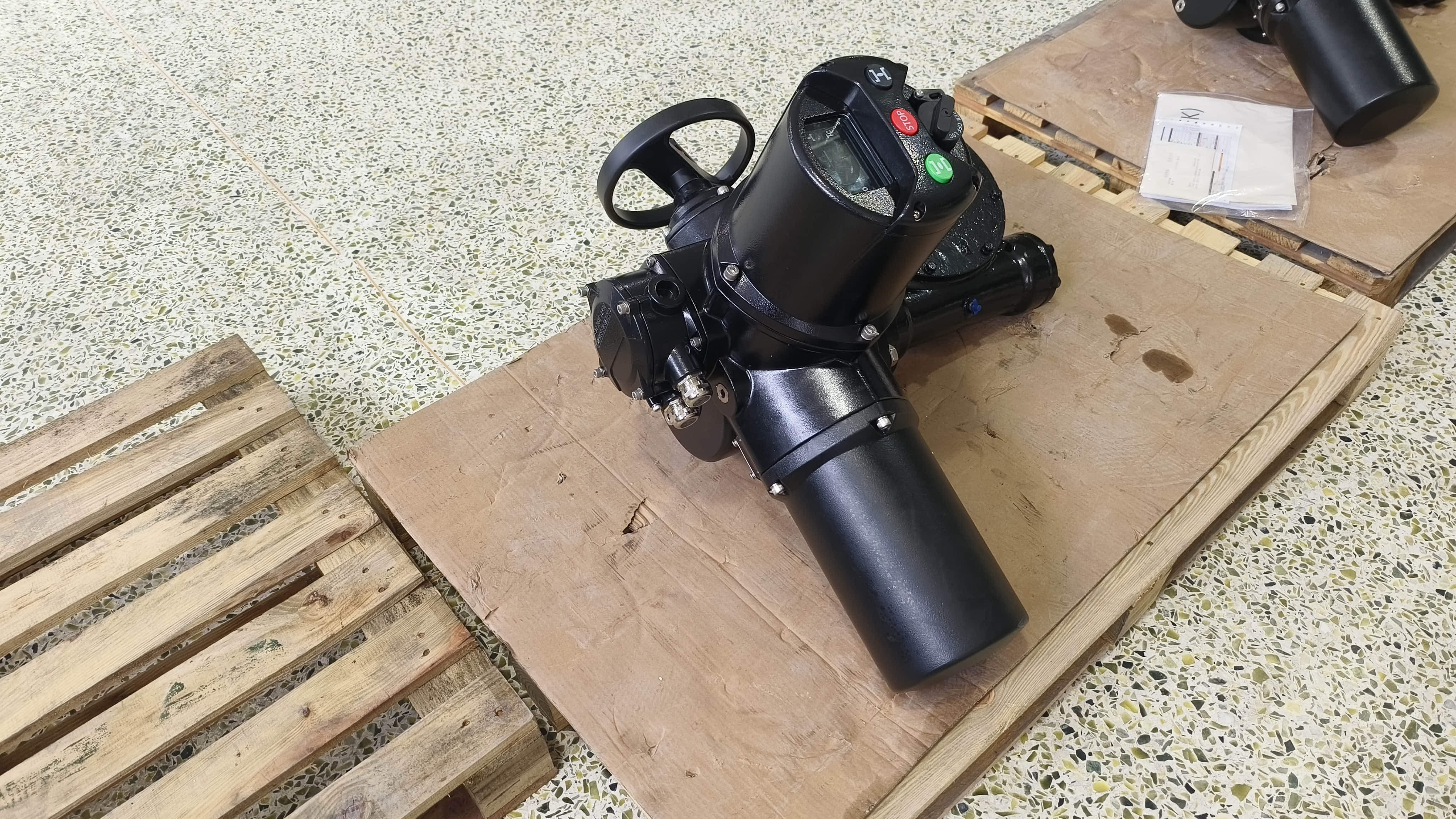
e The rapid advancement of technology has ushered in a new era of automation across various sectors, ranging from manufacturing to energy management and building control systems. One of the standout innovations during this transformation is the Intelligent Integrated Electric Actuator (IIEA). This sophisticated device functions as a pivotal component in automated systems, combining multiple functionalities into a compact unit that promises enhanced control and efficiency.
At its core, an intelligent integrated electric actuator comprises several essential elements: an electric motor, a transmission mechanism, sensors, and an integrated control system. The electric motor serves as the primary power source, converting electrical energy into mechanical energy. The transmission mechanism then translates the motor's rotational motion into either linear movement or rotary motion, depending on the application. Meanwhile, the embedded sensors continuously monitor parameters such as position, speed, and torque, providing real-time feedback to the control system.
What sets IIEA apart from traditional actuators is its smart capabilities. The actuator can adapt its performance based on varying load conditions and environmental factors. This self-adaptive control feature enhances precision and responsiveness, ensuring that the actuator meets the specific requirements of any application. Furthermore, IIEA is equipped with intelligent fault diagnosis capabilities. The integrated monitoring system can detect abnormalities in operation, trigger alarms, and even initiate preventive maintenance measures, thus minimizing unexpected downtime and maintenance costs.
A defining characteristic of intelligent integrated electric actuators is their ability to collect and analyze data. By leveraging Internet of Things (IoT) technologies, these devices can connect to cloud-based platforms or local networks, enabling them to share operational data. This data can be analyzed for performance optimization, predictive maintenance, and to derive insights that enhance the overall system’s efficiency. Such day-to-day operational intelligence empowers organizations to make informed decisions and to streamline their processes.
 Chat Oline