understanding the wcb electric screw ball valve: a comprehensive overview
Release time:2026-03-03 20:56:21
The WCB Electric Screw Ball Valve is a pivotal component in modern fluid control systems, specifically designed to ensure efficient and precise regulation of liquids and gases. Combining the robust characteristics of WCB (carbon steel) with the technological advancements of electric actuation, this type of valve is gaining significant traction across various industries. This article delves into the features, working principles, applications, and advantages of the WCB Electric Screw Ball Valve.
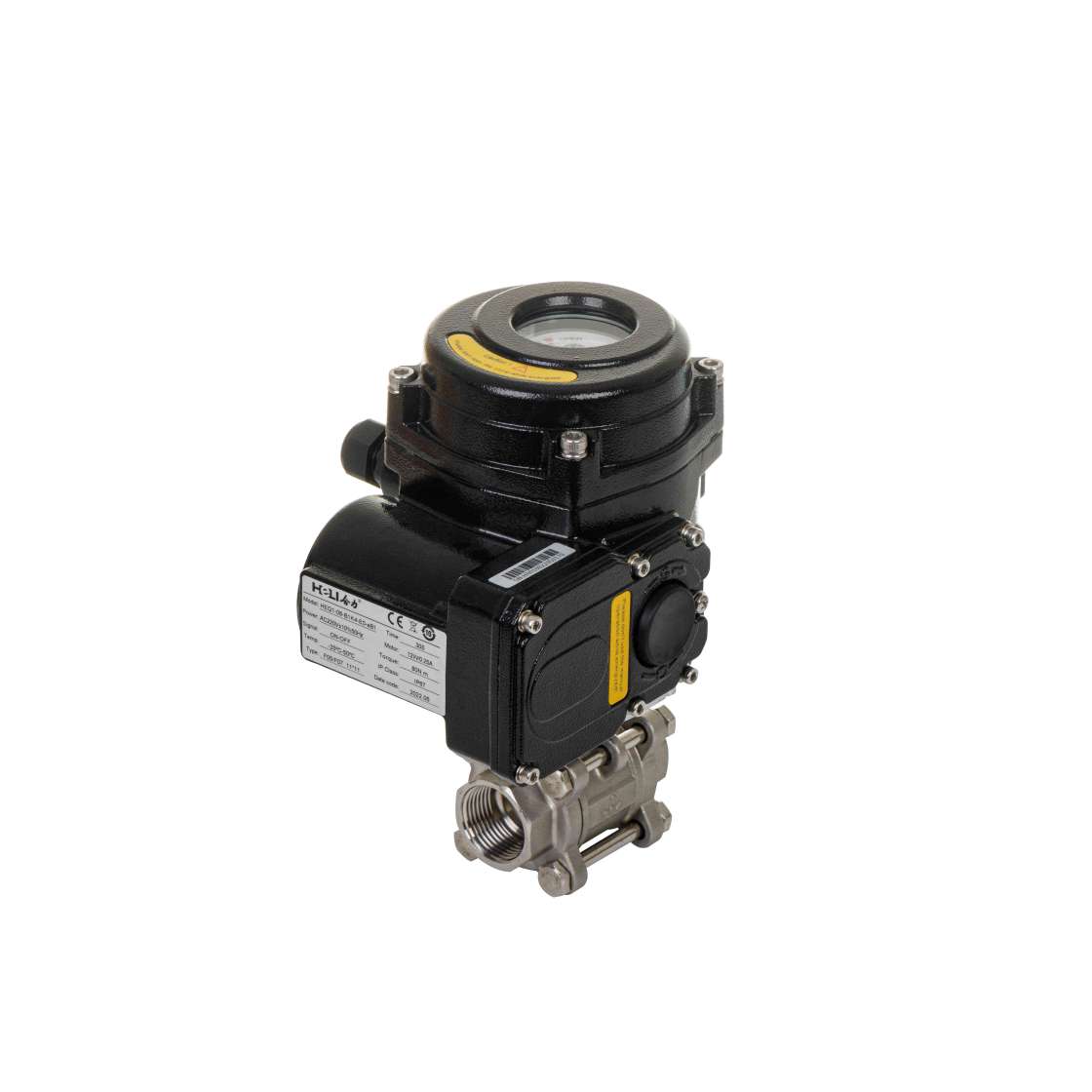
Structure and Mechanism

At its core, the WCB Electric Screw Ball Valve consists of several key components: the valve body, a hollow ball, a sealing mechanism, and an electric actuator. The valve body is typically constructed from WCB material, offering superior strength, durability, and resistance to high temperatures and corrosive environments. The hollow ball features a bore that aligns with the pipe's flow direction when opened, allowing fluid to pass through unobstructed. When rotated 90 degrees through the electric actuator, the flow is completely blocked, effectively shutting the valve.



 Chat Oline